
On Jan. 27, 2025, the world marked International Holocaust Remembrance Day, the day the United Nations General Assembly set aside to remember the victims of the Holocaust. The U.N. chose that date because it marked the day in 1945 when Soviet troops liberated Auschwitz-Birkenau from the clutches of the Nazi. Auschwitz-Birkenau, located in Poland, was the largest complex of concentration camps Nazi Germany set up to carry out what it called the “Final Solution” of exterminating Europe’s Jews. I had a chance to visit Auschwitz in 2023, and I am sharing some thoughts and photographs from that trip.
——————-
I was headed for Berlin in October 2023 to take part in the World Health Summit, and when I got there, I told the German friend who invited me that I was visiting Krakow after the event.
“Krakow?” she asked. She immediately knew what my ultimate destination would be. “Are you going to Auschwitz?”
“Yes,” I admitted. “It’s not often I get the chance to come to Europe, and I didn’t want to just breeze in and out of Germany.”
I had hoped to make full use of the trip and visit one other country, preferably some place meaningful, and when I was looking at the map, I contemplated either Prague or Poland. Eventually, I decided on Auschwitz via Krakow, because I wanted to see first-hand what the Holocaust was about.
“Have you been to Auschwitz?” I asked my friend.
“No, never,” she replied. I don’t remember how our conversation ended, but I’m sure it got us both thinking about the irony of her having never set foot in Auschwitz in Poland, which is next door to Germany, while here I was, an Asian from halfway around the globe, eager to see it.
I arrived in Krakow after a five-hour train ride through the Polish countryside. When I got there, it was evening, and the part of the city center where I was spending the night had an old world feel. But the vibe was young, and it was alive with cafés filled with tourists. I checked into a small, quaint hotel with a window overlooking a cobbled parking area and a concrete structure that resembled a church spire.
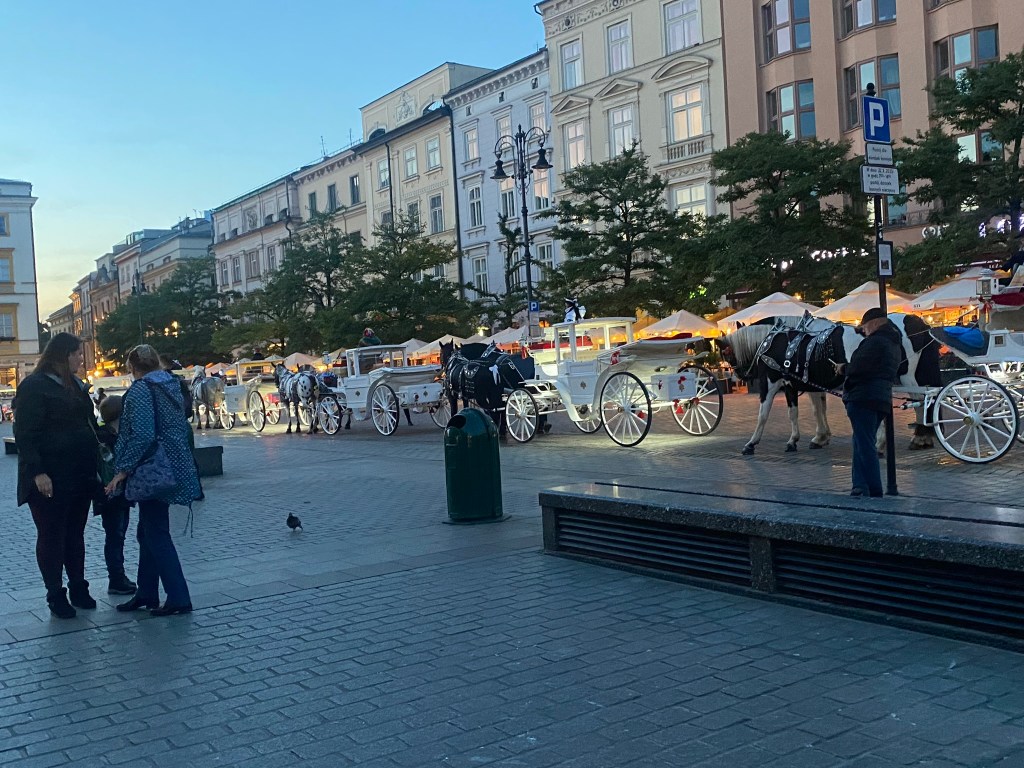
Krakow is one of the jump-off points for a visit to Auschwitz, the German name for the Polish town called Oświęcim, which is about 40 miles’ drive through mostly open fields. Several tour companies operate regular trips to the Auschwitz-Birkenau complex that was one of Nazi Germany’s biggest concentration camps.
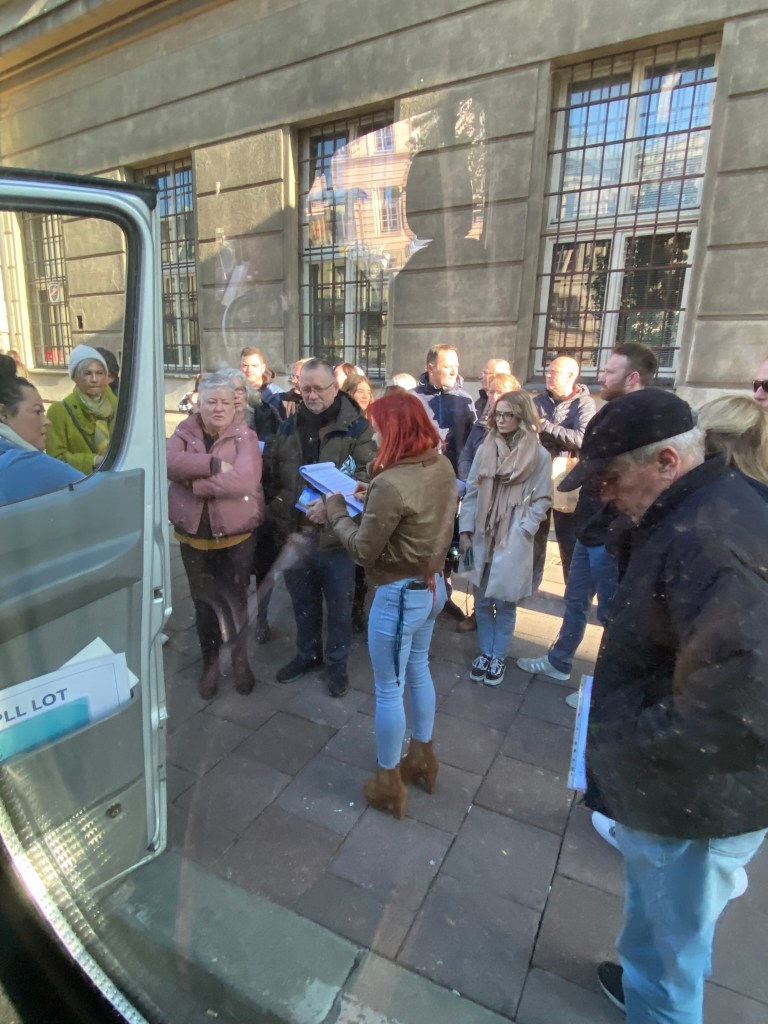
I myself joined a tour group organized by a company called SeeKrakow, whose personnel run the tour punctually and professionally. Signing up for the tour means you pay for the bus ride as well as the entrance fee. The guides facilitate entry into the camp which is very convenient since there are so many visitors as well as scheduled tours daily. The travel to Oświęcim plus the tour of both concentration camps takes the entire day. The tour company sets the meeting time and place in the Krakow city center. My tour group consisted of a mix of nationalities and ages. There were families, couples and solo travelers. I was surprised to find the Auschwitz parking area filled with buses, and the entrance brimming with visitors.
It’s hard to describe the feeling of seeing and being inside a concentration camp. I only know that a respectful silence descends on people who enter and view evidence of the Nazi extermination centers. It is horrific to think that more than a million Jews and some hundreds of thousands of Poles were sent to die in the gas chambers of Auschwitz.
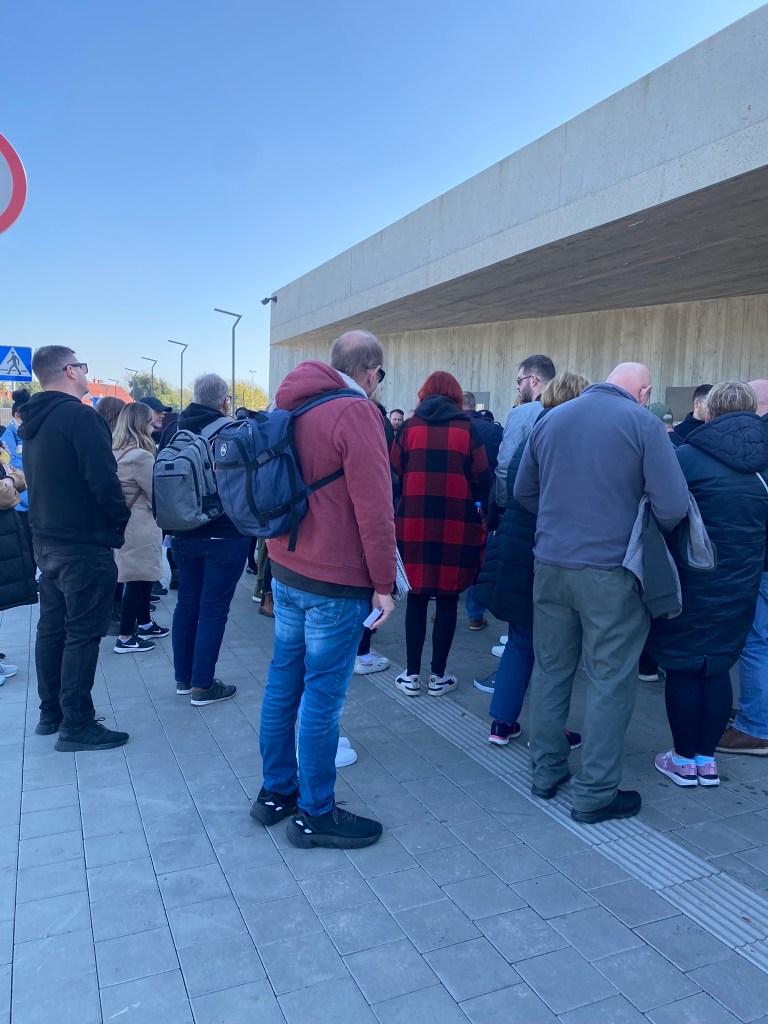
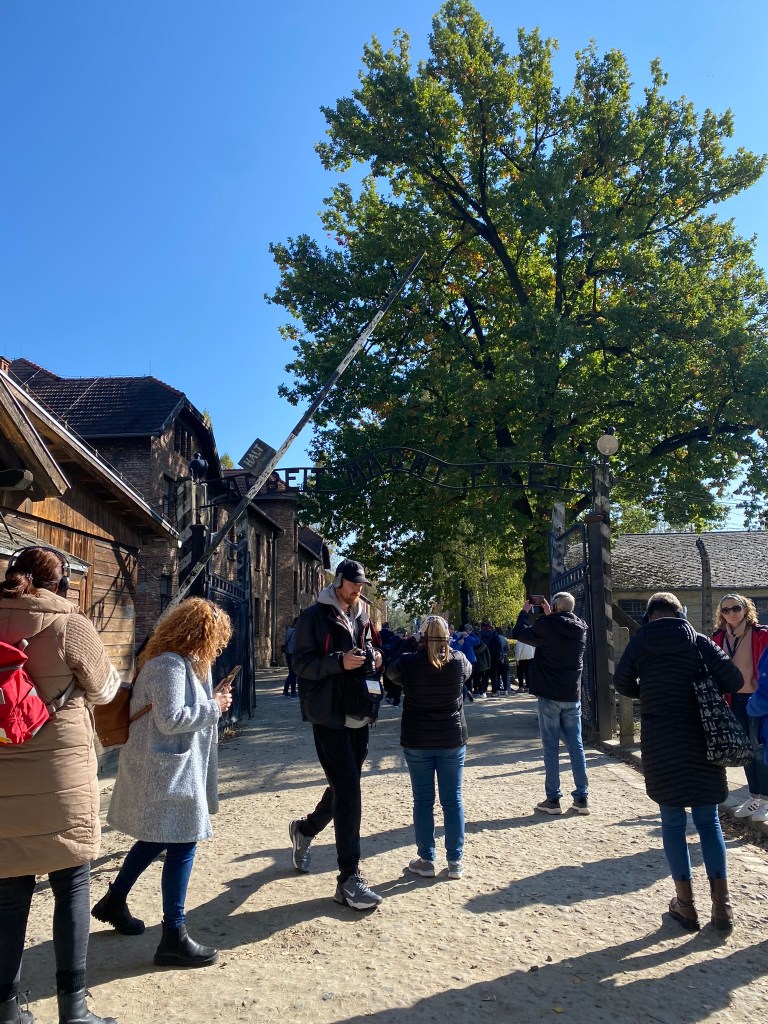
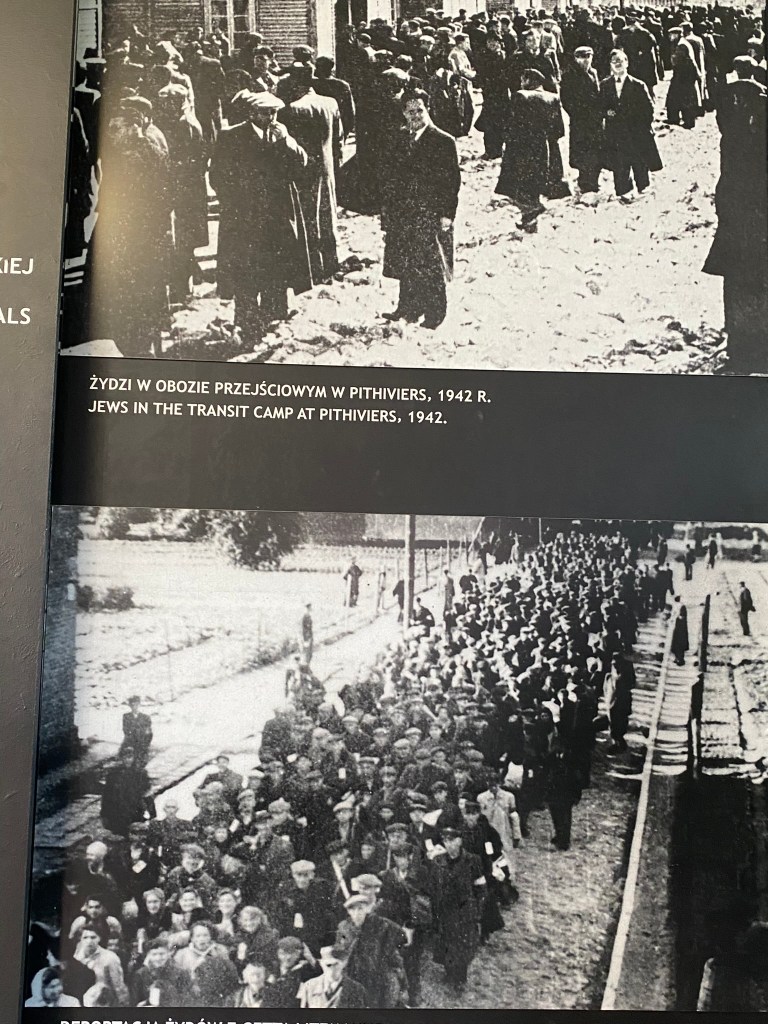
I tried to imagine what the Jews must have seen (or not seen) after being herded and crammed into freight trains with barely enough space, air or light. Or what they felt being stripped naked, belongings taken away, torn away from family members. I could not possibly imagine. I have no words.
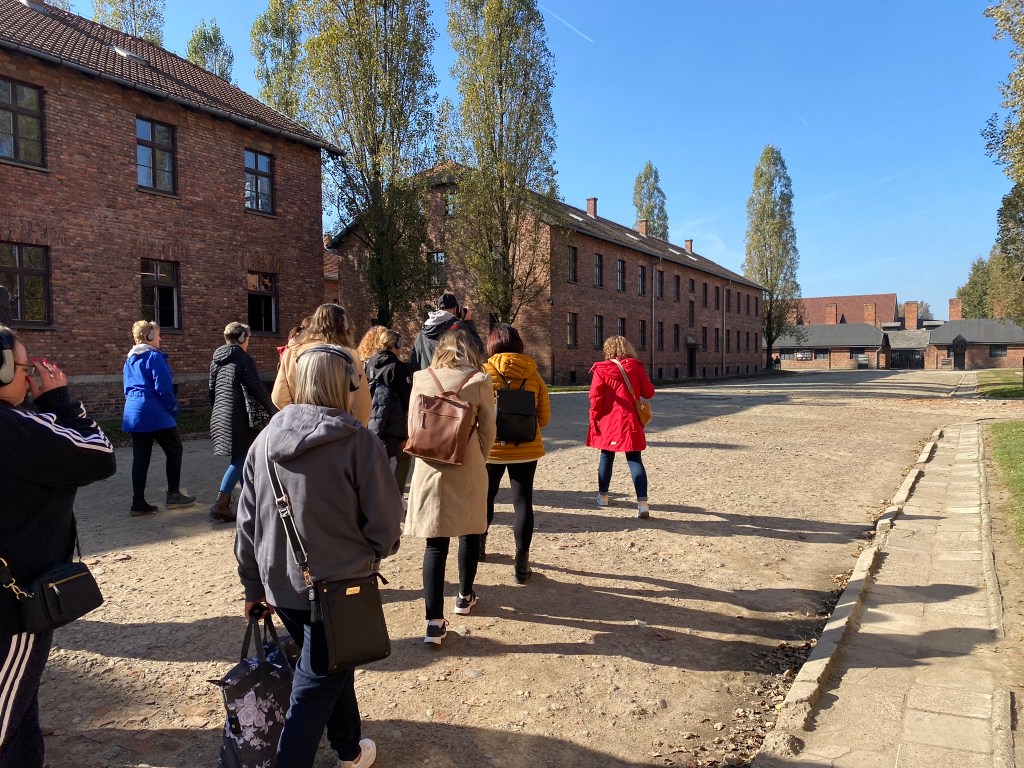
But those who went through this horrible experience continue to speak to us, through literature. One of them is Romanian-born Elie Wiesel who wrote of his experience as a teenager trying to survive Auschwitz. Wiesel eventually won the Nobel Peace Prize in 1986, and was even interviewed by Oprah Winfrey in 2000. He passed away in 2016.
Here are some passages from Wiesel’s book “Night,” in which he narrates his family’s experience of being taken from their home in Transylvania in Romania and transported in cattle cars to Auschwitz-Birkenau. I read the book after my trip to Auschwitz, and I am thankful Wiesel helps annotate, so to speak, the images that I captured during my visit.
“The next morning, we walked toward the station, where a convoy of cattle cars was waiting. The Hungarian police made us climb into the cars, eighty persons in each one. They handed us bread, a few pails of water. They checked the bars on the windows to make sure they would not come loose. The cars were sealed. One person was placed in charge of every car: if someone managed to escape, that person would be shot.”
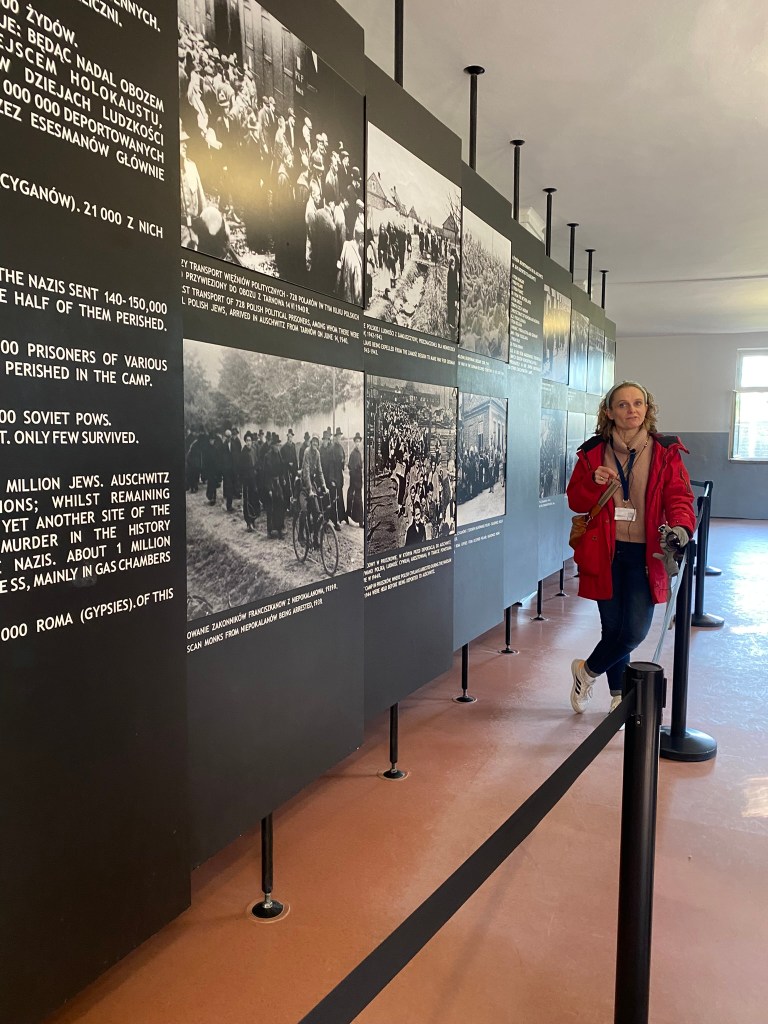
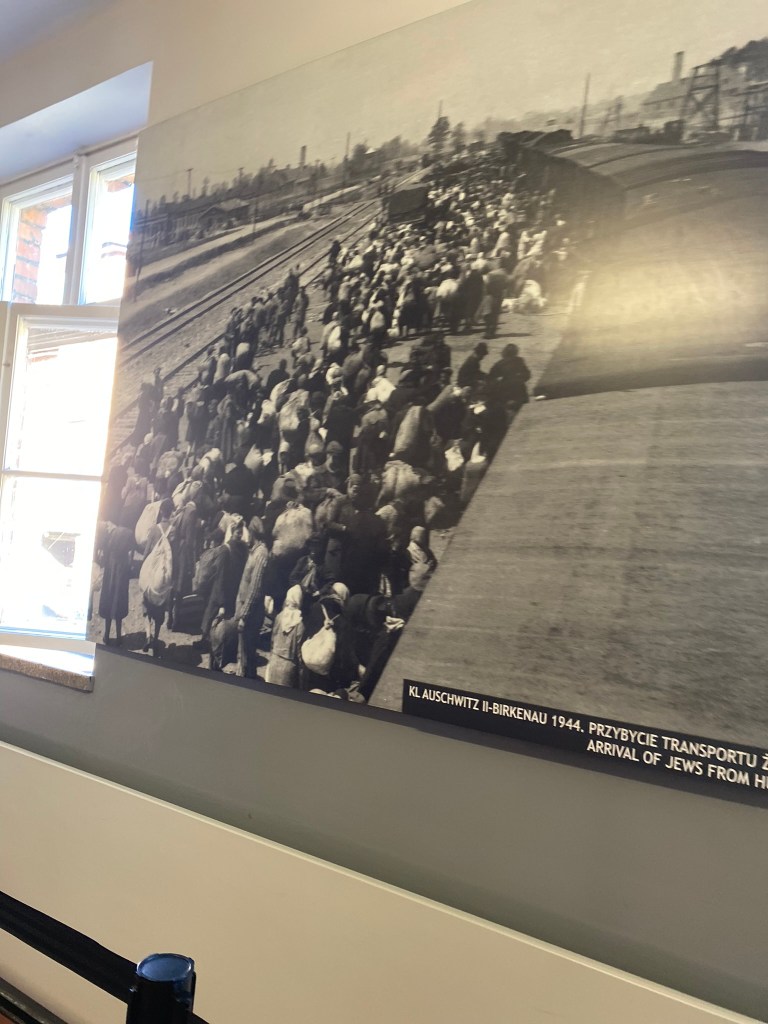
“After a few minutes of racing madly, we came to a new block. The man in charge was waiting. He was a young Pole, who was smiling at us. He began to talk to us and, despite our weariness, we listened attentively.
‘Comrades, you are now in the concentration camp Auschwitz. Ahead of you lies a long road paved with suffering. Don’t lose hope. You have already eluded the worst danger: the selection. Therefore, muster your strength and keep your faith. We shall all see the day of liberation. Have faith in life, a thousand times faith.’”
The Polish guard who spoke these words was later replaced for being too humane, Wiesel wrote.
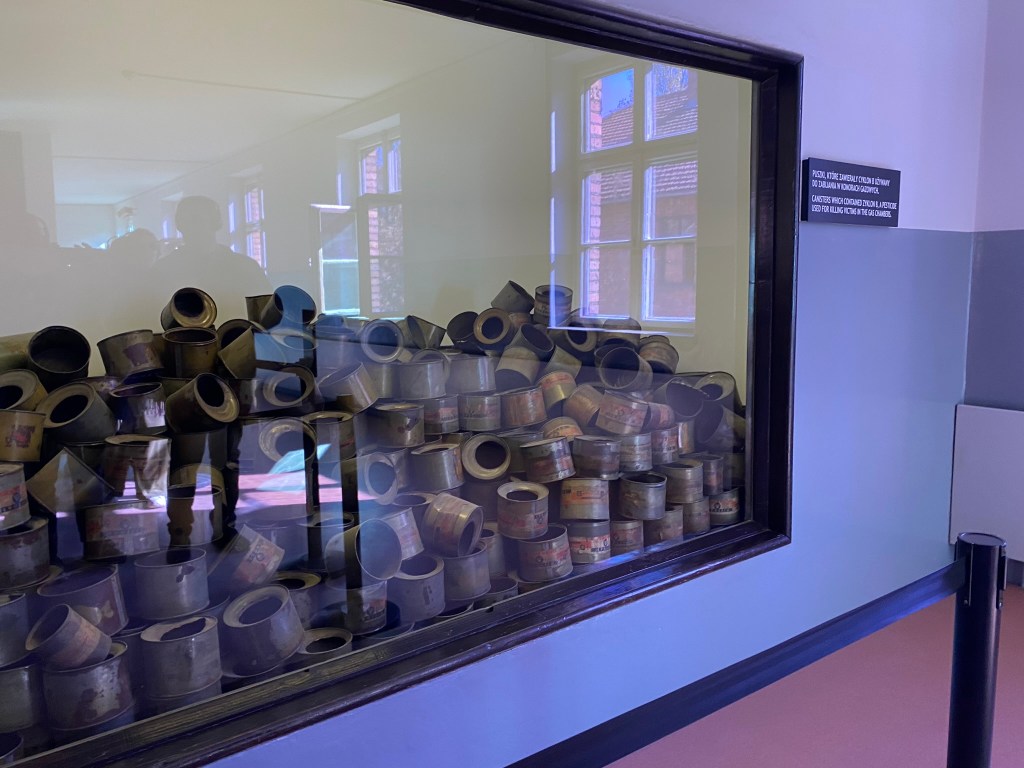
The window above shows empty cannisters of Zyklon B, which was a pesticide used for the gas chambers that killed huge numbers of people quickly.
“For the survivor who chooses to testify, it is clear: his duty is to bear witness for the dead and the living. He has no right to deprive future generations of a past that belongs to our collective memory. To forget would be not only dangerous but offensive; to forget the dead would be akin to killing them a second time.”
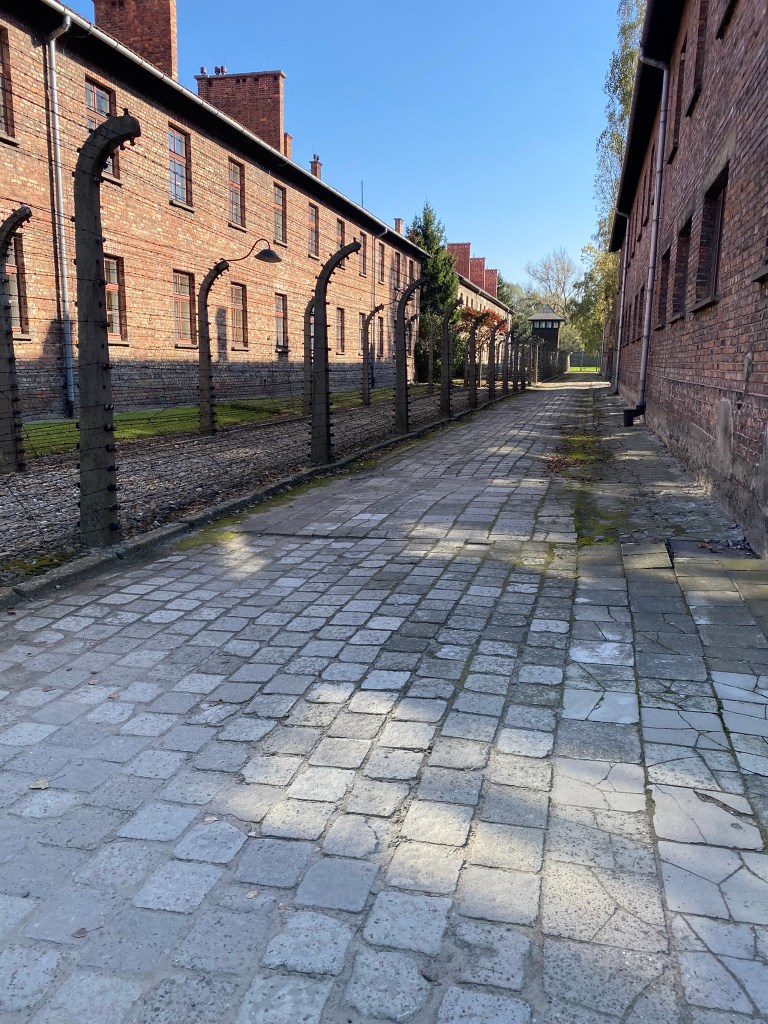
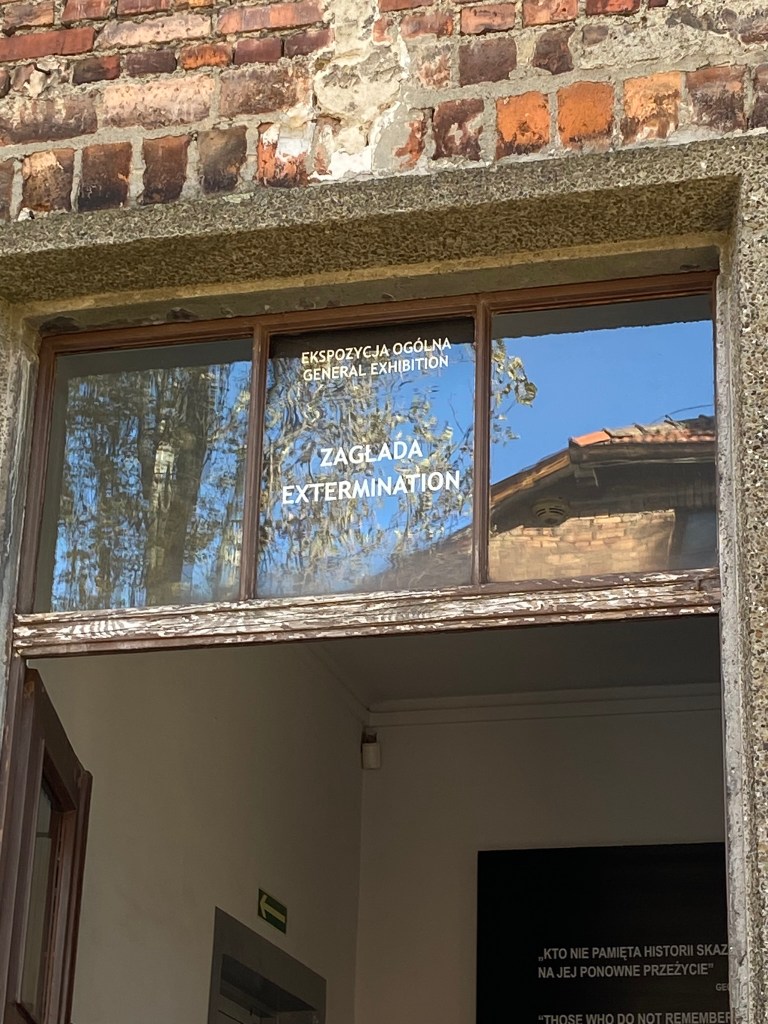
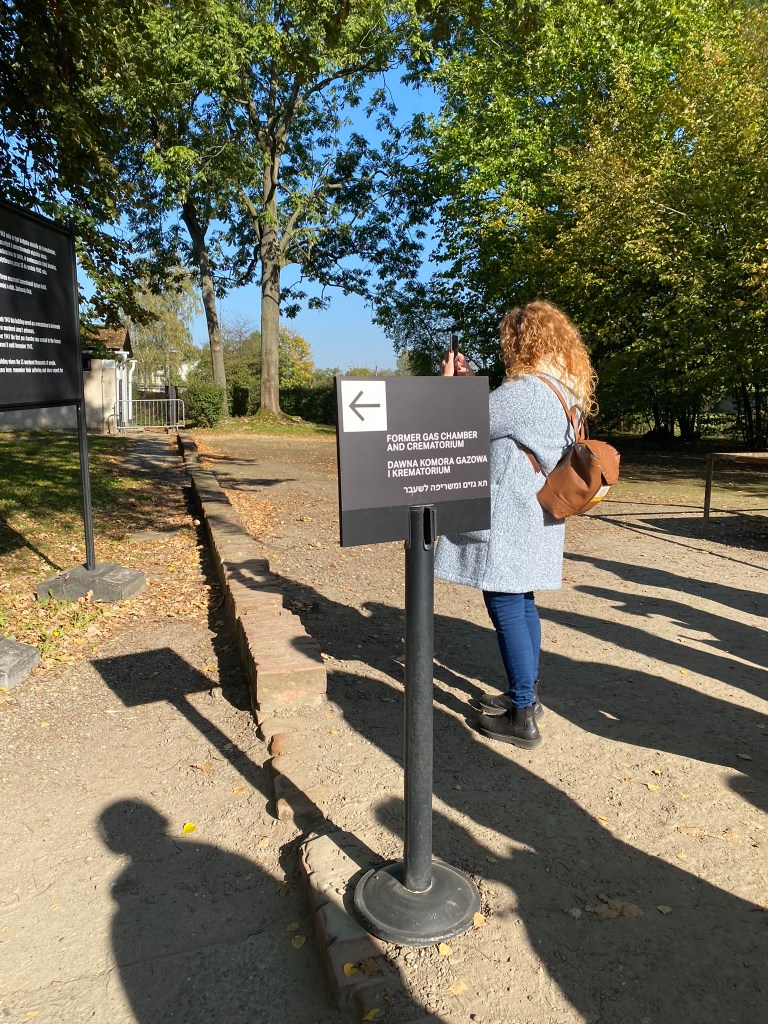
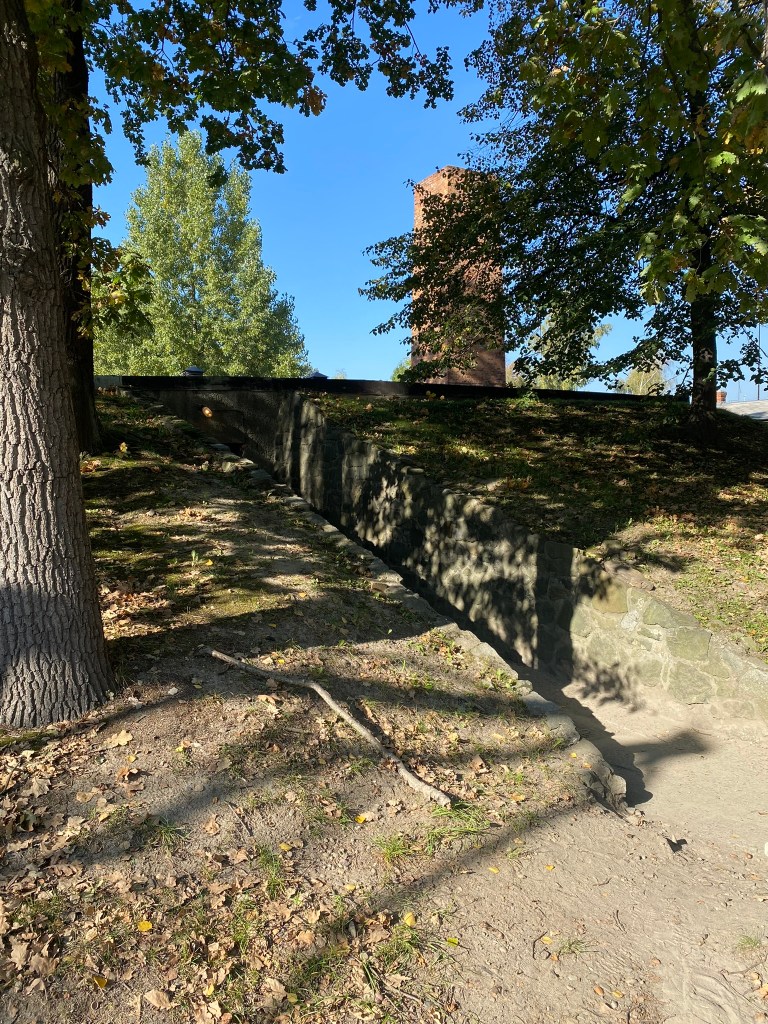
“Sometimes I am asked if I know ‘the response to Auschwitz:’ I answer that not only do I not know it, but that I don’t even know if a tragedy of this magnitude has a response. What I do know is that there is ‘response’ in responsibility. When we speak of this era of evil and darkness, so close and yet so distant, ‘responsibility is the key word.”
“The witness has forced himself to testify. For the youth of today, for the children who will be born tomorrow. He does not want his past to become their future.”
——-
I came home with so many photographs and video clips of Auschwitz-Birkenau. I chose to share only scenes and images taken in the daylight, in the sunshine and open air, rather than those that evoked suffering, which somehow seemed disrespectful to those who went through them. There were some that I could not get myself to include in this blog entry such as personal effects–shoes, bags, pieces of clothing as well as and photographs and names of victims–which they left behind as irrefutable evidence of the large-scale genocide committed by Nazi Germany against the Jews. Eighty years later, the world sees traces of the same hate and xenophobia in various forms in different countries, prompting the question that’s been asked before: Is cruelty more dominant in people than compassion? Does time make us forget the lessons of the past? I have no answers, but hope good eventually prevails. ###

Leave a Reply