Six years ago, the COVID-19 virus choked the world and brought it to a standstill. Governments and the world’s health care systems were unprepared to handle a pandemic of such magnitude. Millions of lives were lost, millions more fell ill, businesses shut down, people lost their livelihoods.
I was spared in 2020, but the virus finally caught up with me two years later while I was in a faraway country, thousands of miles away from the caring presence of loved ones.
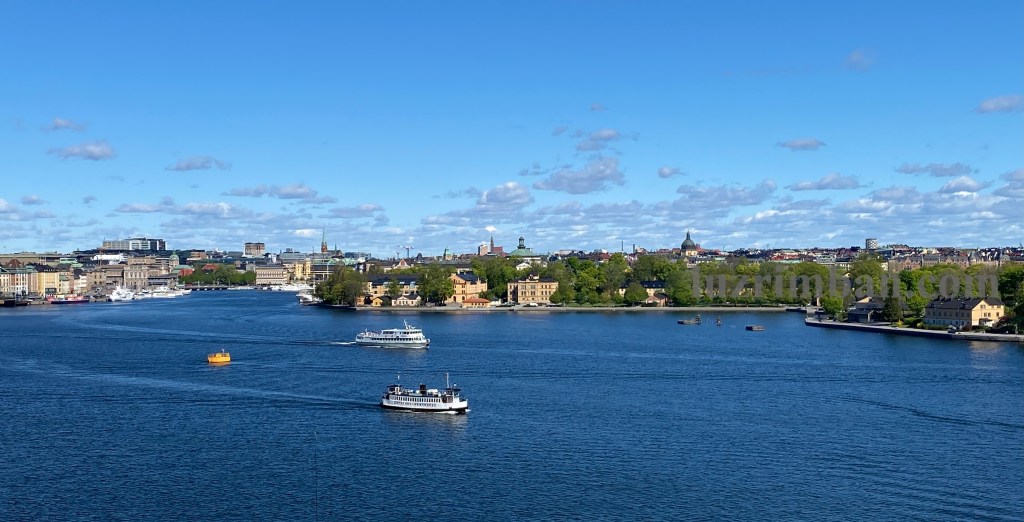
Thanks to my hosts, however, I was given the means to isolate myself for 10 days, enough time to fly back to Manila, cleared of the virus. The host organization anticipated the eventuality of one or more of its guests contracting Covid. They were prepared. That faraway country is Sweden, and I will always remember it and be grateful for the foresight, efficiency and thoughtfulness of our hosts.
***
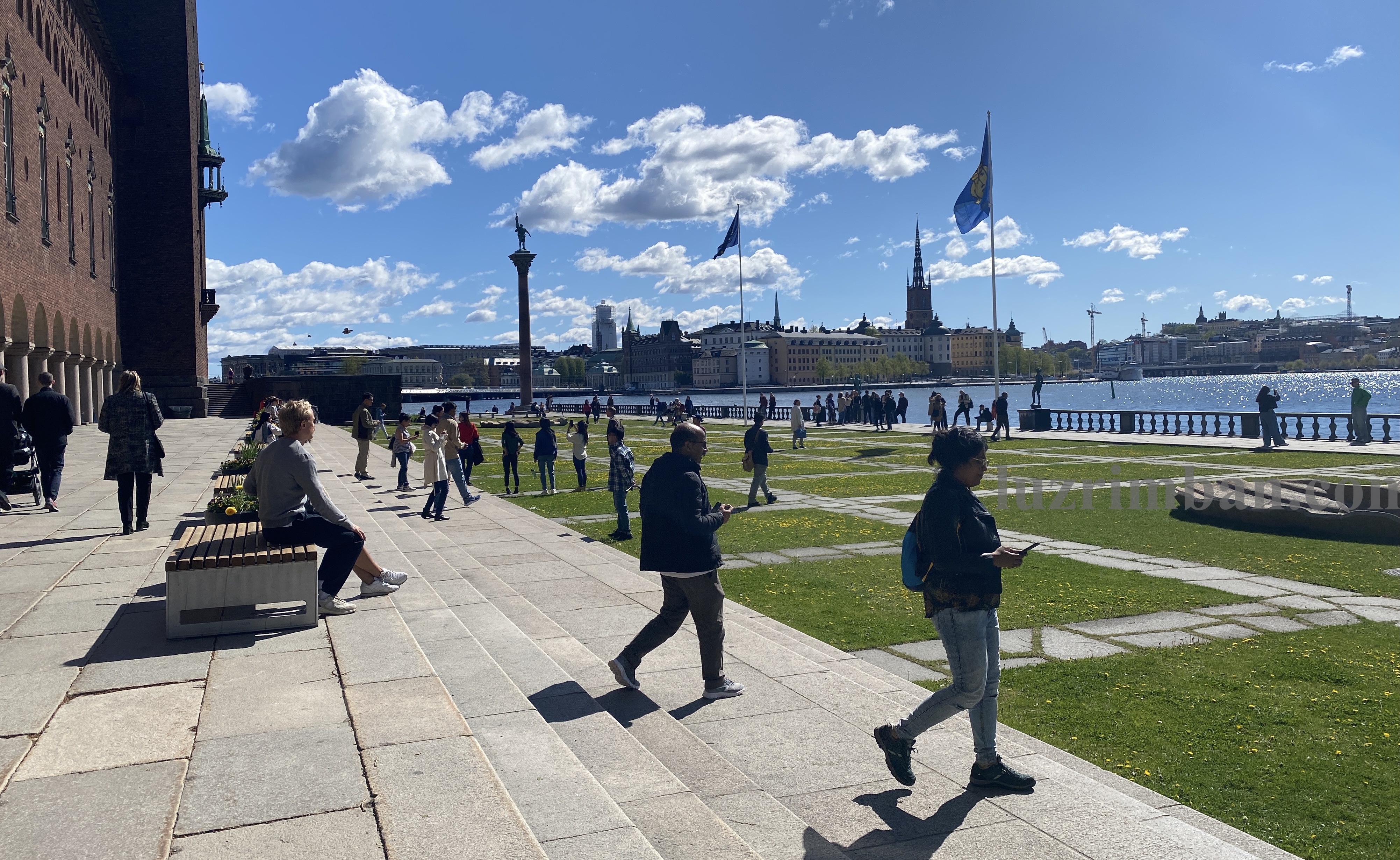
The world was reopening in the wake of the pandemic in 2022. In Scandinavian countries, restrictions had already been lifted: it had reached a point where Covid was treated just like the flu. Thus were I and dozens of other Asian journalists able to travel to Sweden for a two-week journalism fellowship, which should have started in 2021, if not for Covid. The pandemic had forced the organizers to transform the earlier parts into zoom-based meetings and trainings.
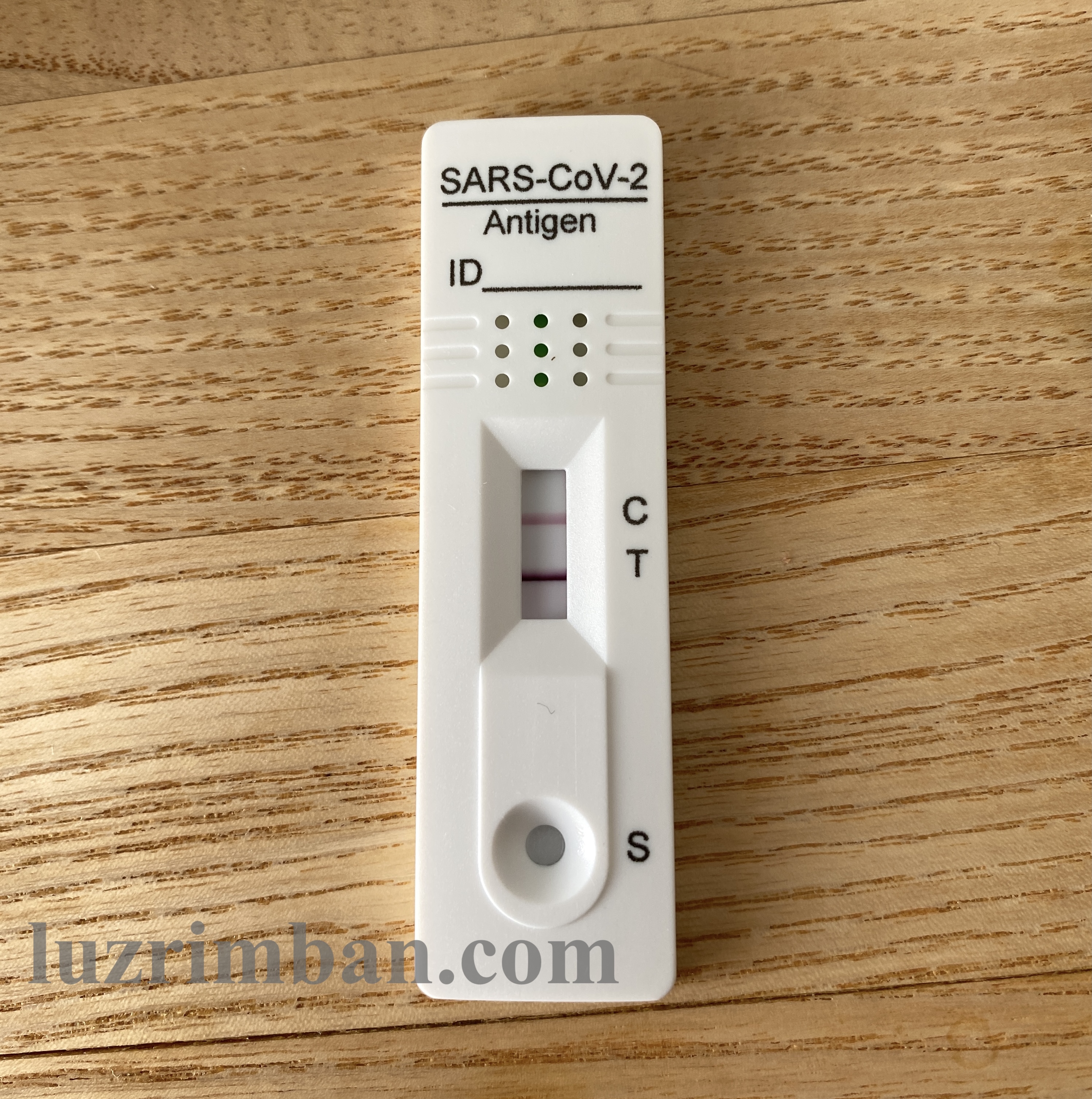
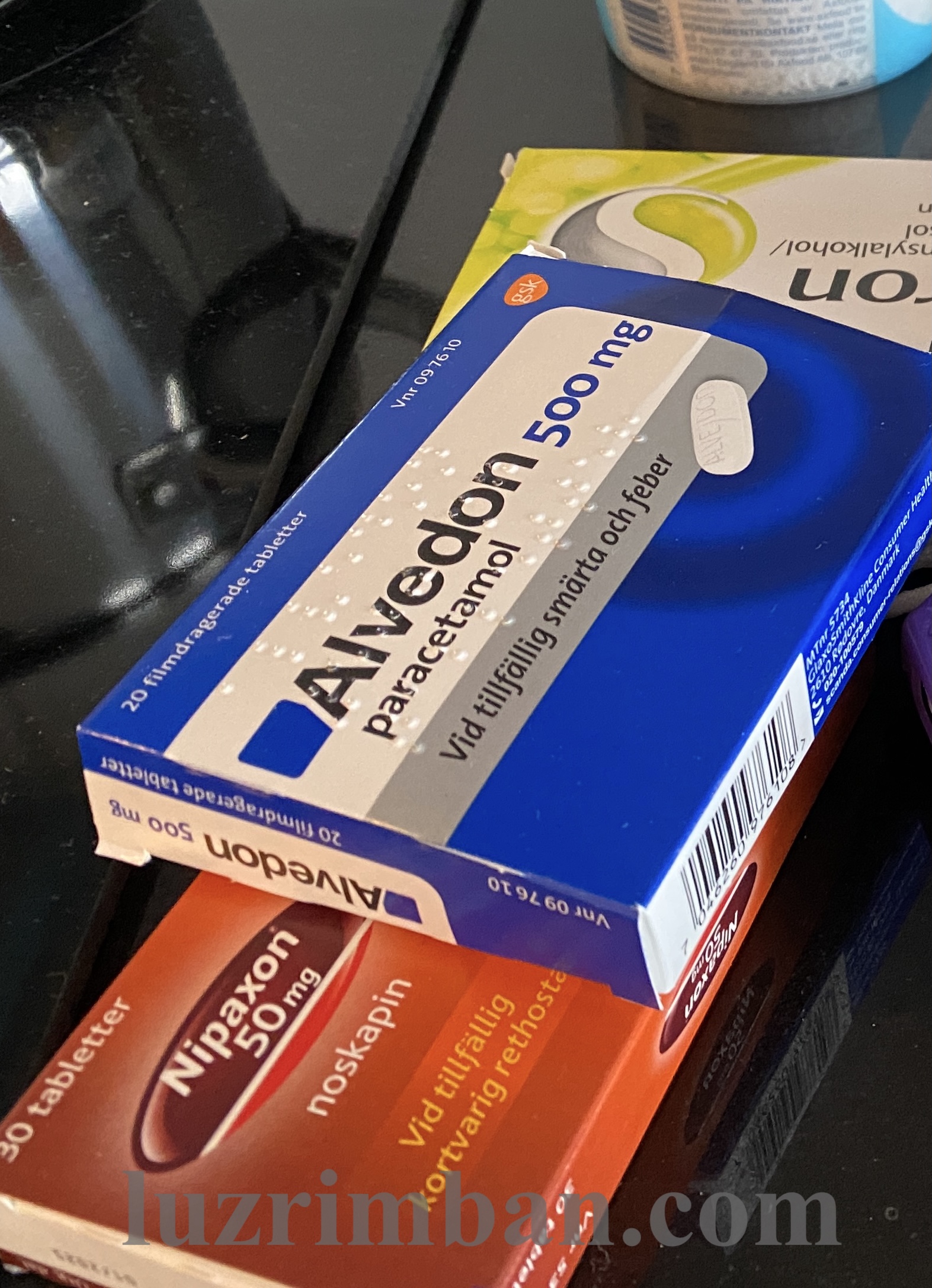
On the morning two days before the end of the fellowship, I developed a cough and asked our hosts for some medicines. As a precaution, they had me take an antigen test, which came back positive for Covid. I was quite confident that it was false positive, since I had no other symptoms. They told me to retake the antigen test in the afternoon, just to be sure. Sadly for me, the second test only confirmed the first.
As part of the protocol for our return trip, Filipino participants were subject to Covid testing. That’s because the Philippine government required incoming travelers to test negative for Covid. Before being allowed to enter the country, those who tested positive had to undergo 10 days of isolation at their own expense. (This rule would be lifted about a week later).
As it turned out, two of us Filipinos tested positive. Our hosts informed us we would need to isolate and that we would be provided board and lodging for this purpose.
I didn’t know what to do or think. Surely, I didn’t want to be turned back or forced into isolation somewhere else. I had no choice but to agree that this would be the best arrangement.
My colleague, though, the other one who tested positive, refused to take the results of the antigen test as valid. He believed it was false positive. He needed to go home. He had learned of a death in his family, and had urgent work responsibilities, hence his agitation that be allowed to return to the Philippines as soon as humanly possible.
By then the fellowship had ended and we had to be relocated. Our hosts assured my colleague that he would be taken to a clinic for another test, and that arrangements would be made for his immediate return, if indeed he would test negative. Within two days, he took the test, which came out as he had expected, and was soon on his way back to the Philippines.
As for me, I stayed in the place designated as the isolation spot: a studio apartment in Knivsta in Uppsala, not far from Stockholm.
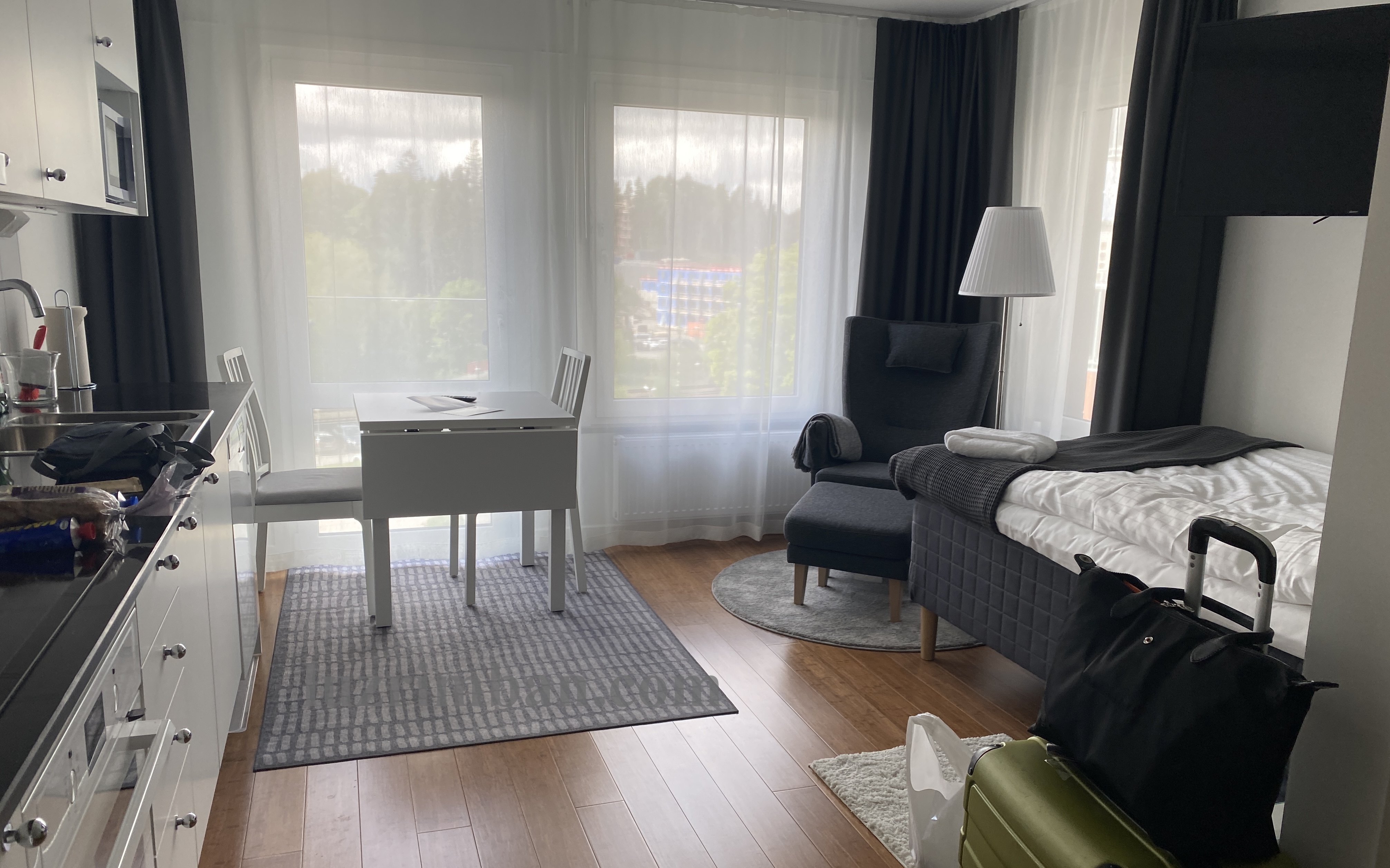

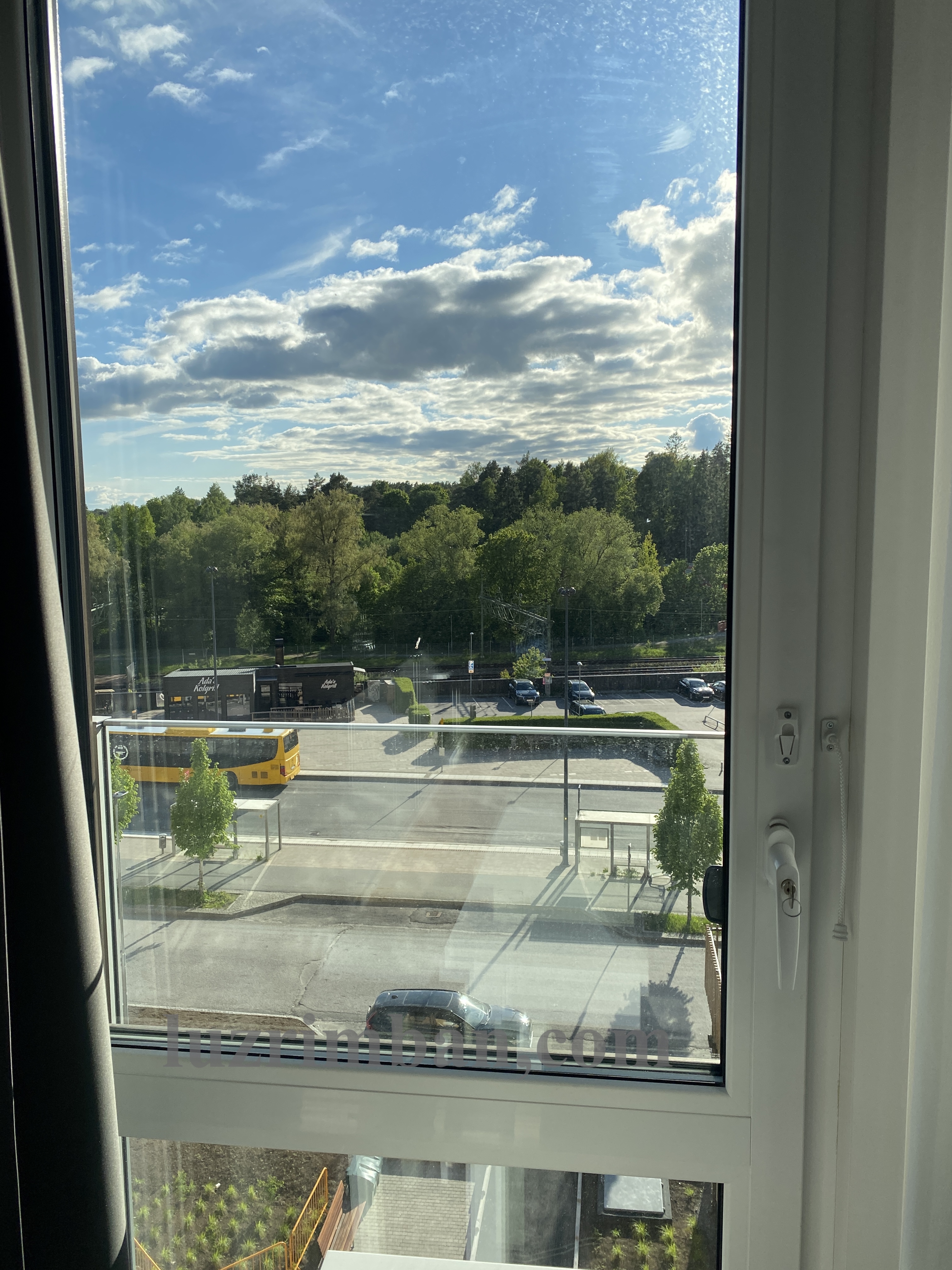
I was fed and housed, and allowed to come and go as I pleased, since Sweden was no longer as strict with Covid. It seemed I was really being isolated in compliance with Philippine regulations. I looked at it as a welcome break, though far from home, family and friends. And I was extremely grateful to have gotten such care in Sweden, before once again stepping on Philippine soil.
***
I thought of this experience when I attended an international health summit in Berlin a year later where the big question on everyone’s mind was: Is the world prepared for the next pandemic?
It is the same question that comes to my mind, every time I read of a virus outbreak anywhere in the world. Recently, there have been reports of high cases of measles and the resurgence of tuberculosis in the U.S. The latest is the news of an outbreak of the Hantavirus, apparently acquired through contact with rodents, on the cruise ship MV Hondius traveling from Argentina to Africa. According to this news report, three have died, apart from the “five confirmed cases and three suspected infections.”
The BBC quotes the cruise operator, Oceanwide Expeditions, as saying there were still 146 people from 23 different countries on board the MV Hondius. The number excludes Americans who disembarked prior to the first death and who have headed for at least five states, California included.
Is the world prepared for the next pandemic? I am not so sure. Sometimes I think we have forgotten the nightmare that visited the world in March 2020 and how Covid spread so quickly. We lived with death and illness, and grew to embrace words like social distancing, contract-tracing, quarantine, isolation, community transmission. What ended it was the vaccines, the lesson being that preparation and investments in public health and vaccines were crucial. But these days, no one seems to remember. Covid, it seems, cost us more than lives and livelihoods; it also cost us our memory.
###

Leave a comment